
Protect & Restore · 20 guides · 40 answers
Clean, protect and restore building surfaces
We help you identify the surface and residue, plan a compatible clean and prepare for the protection or restoration work that follows.
In short
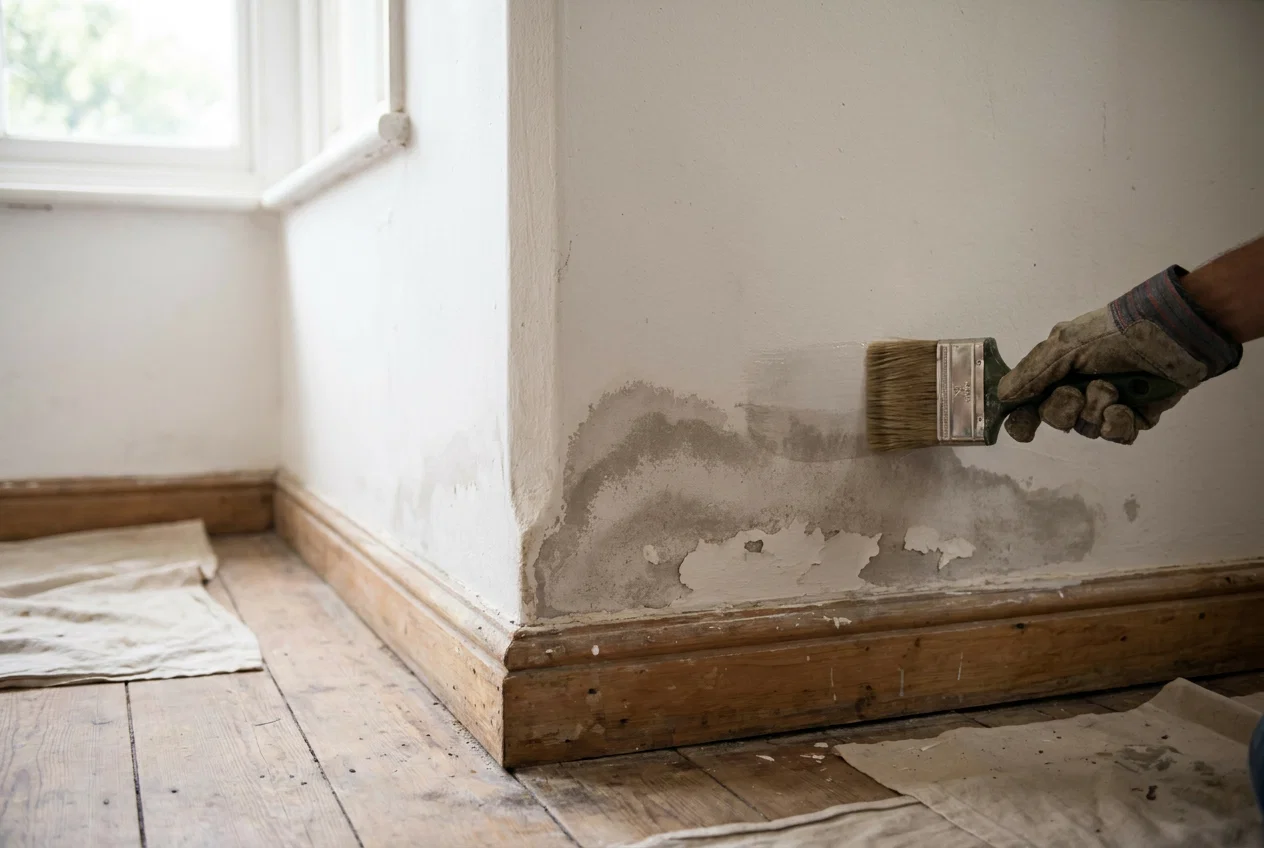
Cleaning before surface protection starts by identifying the substrate and residue, then checking the selected system requirements. We remove loose material, test a compatible cleaning method, rinse when directed and confirm the surface is ready. For mould, construction deposits, rust or braai residue, follow the relevant product label and current safety documentation.
Cleaning is part of surface preparation, not a substitute for diagnosing the problem. We start with the material, visible residue and what work will follow, then select an appropriate method and test it before treating a wider area. From mould and dark spots to construction residue, rust, braai grease and soot, the right route depends on the surface and product instructions. Tell us the surface, problem, area, location and add photographs so our team can help guide a project enquiry.
Solutions
Mould and dark spot removal for selected surfaces
Plan mould and dark spot cleaning by checking the surface, the affected area and the conditions that may cause marks to return.
Read moreCleaning cement residue and salt deposits
Distinguish construction residue from salt deposits, then match the cleaning approach to the surface and the work that follows.
Read moreRust removal before priming or painting
Remove rust residue and prepare metal according to the selected rust remover and primer or paint system instructions.
Read moreCleaning braais and fireplaces
Clean braais and fireplace surfaces by checking material compatibility, removing loose residue and following the current product label.
Read moreProducts
DeSalin™ AM
Water-based cleaner for mould, algae and microorganisms on selected indoor and outdoor surfaces.
Read moreDeSalin C
Cleaner listed in the live catalogue for surface cleaning before selected protection or coating work.
Read moreDeSalin K
Cleaner listed in the live catalogue for surface cleaning before selected protection or coating work.
Read moreDeSalin™ Gel Rust Remover
Gel cleaner for removing rust and preparing metal surfaces for subsequent primer or paint.
Read moreDeSalin™ BBQ
Biodegradable cleaner for grease and residue on selected barbecue and kitchen surfaces.
Read moreGuides
Why does mould return on exterior walls?
Mould returning on an exterior wall means the visible marks have reappeared after cleaning, so we check the surface and moisture conditions before repeating the same treatment.
Read moreMould or dirt on a masonry wall: how to tell
Mould and dirt on masonry can look alike, so colour alone is not a reliable way to identify a dark mark.
Read moreHow to clean a surface before waterproofing
Cleaning before waterproofing means preparing the substrate to the selected system’s stated requirements, not simply making it look tidy.
Read moreEfflorescence or cement haze: what is on the surface?
Efflorescence and cement haze are not the same residue, although both can leave a pale film.
Read moreA practical post-construction clean for contractors
A post-construction clean for contractors is a controlled handover task, not a single wash applied across the site.
Read moreHow to deal with grout haze on new tiles
Grout haze on new tiles is residue on the tile face after grouting, but the right response depends on tile material, grout and installation guidance.
Read moreHow to remove paint splashes from tiles
Paint splashes on tiles should be approached according to the paint type and tile finish, not with an assumed universal solvent.
Read moreRust on coastal balustrades: assess before repainting
Rust on a coastal balustrade needs assessment of both the visible corrosion and the condition of the metal beneath it.
Read moreHow to prepare rusted metal for painting
Preparing rusted metal for painting means addressing rust and checking the substrate before primer or paint is applied.
Read moreHow to clean a braai before use
Cleaning a braai before use starts with identifying its materials and the residue, then following a cleaner’s instructions for those surfaces.
Read moreCleaning soot from a fireplace and surround
Cleaning soot from a fireplace starts by identifying the firebox and surround materials, because they may need different methods.
Read moreHow to clean face brick without guesswork
Cleaning face brick starts with identifying the deposit and checking the brick and mortar condition.
Read moreA maintenance plan for body corporate exterior surfaces
A body corporate exterior cleaning plan should be based on inspection records, surface types and recurring problems, not one blanket schedule.
Read moreConstruction handover cleaning checklist for companies
A construction handover cleaning checklist helps a company record what was cleaned, what remains and which surfaces are ready for the next operation.
Read moreWhat should you avoid cleaning with acid?
An acidic cleaner should not be used on a building surface unless its documentation confirms that the cleaner and substrate are compatible.
Read moreWhat to do after cleaning before protecting a surface
After cleaning, inspect the surface and confirm it meets the selected protection system’s preparation requirements before application.
Read moreHow to clean paving after construction work
Cleaning paving after construction starts by separating loose dust from cement, paint and other marks.
Read moreA clean-down checklist for painters
A painter’s clean-down prepares the substrate for the specified paint system; it is not a substitute for repairs or surface diagnosis.
Read moreSafe working practice for surface cleaning
Safe working practice for surface cleaning begins with the current product label, technical data sheet and safety data sheet, plus a site-specific plan.
Read moreHow to choose a cleaning or restoration contractor
Choose a cleaning or restoration contractor by how well they diagnose the surface and problem before proposing a method.
Read moreGuides
- 01Why does mould return on exterior walls?Mould returning on an exterior wall means the visible marks have reappeared after cleaning, so we check the surface and moisture conditions before repeating the same treatment.4 min read
- 02Mould or dirt on a masonry wall: how to tellMould and dirt on masonry can look alike, so colour alone is not a reliable way to identify a dark mark.4 min read
- 03How to clean a surface before waterproofingCleaning before waterproofing means preparing the substrate to the selected system’s stated requirements, not simply making it look tidy.4 min read
- 04Efflorescence or cement haze: what is on the surface?Efflorescence and cement haze are not the same residue, although both can leave a pale film.4 min read
- 05A practical post-construction clean for contractorsA post-construction clean for contractors is a controlled handover task, not a single wash applied across the site.4 min read
- 06How to deal with grout haze on new tilesGrout haze on new tiles is residue on the tile face after grouting, but the right response depends on tile material, grout and installation guidance.4 min read
- 07How to remove paint splashes from tilesPaint splashes on tiles should be approached according to the paint type and tile finish, not with an assumed universal solvent.4 min read
- 08Rust on coastal balustrades: assess before repaintingRust on a coastal balustrade needs assessment of both the visible corrosion and the condition of the metal beneath it.4 min read
- 09How to prepare rusted metal for paintingPreparing rusted metal for painting means addressing rust and checking the substrate before primer or paint is applied.4 min read
- 10How to clean a braai before useCleaning a braai before use starts with identifying its materials and the residue, then following a cleaner’s instructions for those surfaces.4 min read
- 11Cleaning soot from a fireplace and surroundCleaning soot from a fireplace starts by identifying the firebox and surround materials, because they may need different methods.4 min read
- 12How to clean face brick without guessworkCleaning face brick starts with identifying the deposit and checking the brick and mortar condition.4 min read
- 13A maintenance plan for body corporate exterior surfacesA body corporate exterior cleaning plan should be based on inspection records, surface types and recurring problems, not one blanket schedule.4 min read
- 14Construction handover cleaning checklist for companiesA construction handover cleaning checklist helps a company record what was cleaned, what remains and which surfaces are ready for the next operation.4 min read
- 15What should you avoid cleaning with acid?An acidic cleaner should not be used on a building surface unless its documentation confirms that the cleaner and substrate are compatible.4 min read
- 16What to do after cleaning before protecting a surfaceAfter cleaning, inspect the surface and confirm it meets the selected protection system’s preparation requirements before application.4 min read
- 17How to clean paving after construction workCleaning paving after construction starts by separating loose dust from cement, paint and other marks.4 min read
- 18A clean-down checklist for paintersA painter’s clean-down prepares the substrate for the specified paint system; it is not a substitute for repairs or surface diagnosis.4 min read
- 19Safe working practice for surface cleaningSafe working practice for surface cleaning begins with the current product label, technical data sheet and safety data sheet, plus a site-specific plan.4 min read
- 20How to choose a cleaning or restoration contractorChoose a cleaning or restoration contractor by how well they diagnose the surface and problem before proposing a method.4 min read
40 questions answered
What should I clean before applying a protective coating?
Before applying a protective coating, remove dirt, loose material and residues that the coating system does not permit. We first identify the surface and the contaminant, then choose a compatible cleaning method, test a small area, rinse where required and let the substrate dry. Always follow current technical and safety data sheets.
Why do mould marks return on an exterior wall?
Mould marks can return when dampness, shade, nearby water or another favourable surface condition remains after cleaning. We inspect the wall and its surroundings before repeating a wash. Cleaning addresses visible growth, while diagnosing the source helps determine whether repairs or a suitable protective system should follow.
How can I tell mould from ordinary dirt on masonry?
Mould and dirt can look similar on masonry, especially where rain carries grime down a wall. Look for recurring dark patches, their pattern and whether they track damp or shaded areas, but do not rely on appearance alone. We recommend testing a small area with a suitable cleaner and checking the substrate.
How do I remove cement residue after building work?
Cement residue should be identified before a cleaner is selected because the surface beneath it may be sensitive or newly installed. Remove loose dust first, review the surface and product guidance, and test a small area. DeSalin C and DeSalin K are listed for surface cleaning before selected protection or coating work.
What are white salt deposits on a wall?
White salt deposits on masonry are often called efflorescence, but appearance alone does not confirm the source. We check for moisture paths, recurring deposits and nearby construction residue, then choose a cleaning approach suited to the substrate. A coating should not be used to hide deposits that have not been investigated.
Is efflorescence the same as cement haze?
Efflorescence and cement haze are different types of surface residue, even when both look pale. Efflorescence is associated with salts appearing at masonry surfaces, while cement haze is a thin film left after cement-based work. Identify which is present and test a compatible cleaner before treating the whole area.
How do I clean grout haze from new tiles?
Grout haze is a residue on the tile face after grouting, and the correct cleaning method depends on the tile and grout. Start with the installer’s guidance and the cleaner label, then test an inconspicuous tile. Avoid guessing with an aggressive chemical, and rinse or wipe as directed.
Can paint splashes be removed from tiles?
Paint splashes may be removable from tiles, but the method depends on paint type, tile finish and grout condition. Begin with the least aggressive compatible method and a small test. Protect nearby finishes, avoid scratching the tile, and consult the paint or surface guidance if the splash does not lift.
How should rust be removed before priming metal?
Rust should be addressed before priming because loose corrosion residue can interfere with surface preparation. DeSalin Gel Rust Remover is described for removing rust and preparing metal for subsequent primer or paint. Read its label, follow the current technical and safety data sheets, and prepare the metal as directed.
How do I clean a braai before using it again?
Clean a braai only with a method suitable for its materials and the intended use. DeSalin BBQ is a cleaner for grease and residue on selected barbecue and kitchen surfaces. Remove loose residue, check compatibility, follow the label, rinse as directed and ensure the surface is ready before use.
Can I use a braai cleaner on a fireplace?
Some cleaners are listed for selected fireplace surfaces, but suitability depends on the material and the type of residue. DeSalin BBQ lists fireplaces among its surfaces. Check the specific surface and product label, test a small area, and follow the current technical and safety data sheets before proceeding.
Should I test a cleaner on a small area first?
Yes, test a cleaner on a small, inconspicuous area before treating the full surface. A test helps you inspect compatibility and the cleaning result without assuming every finish will respond alike. Follow the label and current technical and safety data sheets, then expand only when the test is acceptable.
Why should a cleaned surface be rinsed?
Rinsing removes cleaner and loosened residue when the product instructions call for it. The required method depends on the cleaner and substrate, so follow the label rather than assuming that every surface needs the same treatment. Check the result after rinsing and allow the surface to dry before coating.
How long should I wait after cleaning before coating?
Wait until the surface meets the preparation and dryness requirements of the coating system. There is no single waiting time for every substrate, cleaner or site condition. Check the current technical data sheets, inspect the surface and confirm that residues and moisture are addressed before proceeding.
What safety steps matter when using surface cleaners?
Before using a surface cleaner, read its label and the current technical and safety data sheets. Use the protective measures they specify, protect adjacent finishes, keep people away from the work area as required and plan rinsing or residue collection. Do not mix cleaners or improvise application instructions.
When should I call a surface cleaning professional?
Call a professional when the deposit is unidentified, the finish is valuable or fragile, the area is extensive, access is difficult or a test leaves an uncertain result. We can help assess the surface, problem, area and location before recommending a suitable cleaning or restoration route.
How often should a body corporate schedule exterior cleaning?
A body corporate should set an inspection-led cleaning cycle rather than use one fixed interval for every building. Record recurring deposits, shaded or wet areas, coating condition and access needs, then review the plan with a competent contractor. The schedule should reflect site observations and product guidance.
What should be checked before cleaning face brick?
Before cleaning face brick, identify the deposit, check the brick and mortar condition, and note nearby metal, glass, paving and planting. Test the proposed method in a discreet area and inspect the result after rinsing. Use a qualified contractor for widespread or uncertain staining.
How do I clean paving after construction?
Construction clean-down on paving starts with removing loose grit and separating cement residue, paint, soil and other marks. Check the paving material and joint condition, then select a compatible method and test it. Protect adjacent surfaces, rinse as directed and assess the result before applying any protection.
Can I apply protection over a dirty wall?
No, a protective coating should not be applied over dirt, loose residue or contamination that the system does not permit. First identify and remove the material using a compatible method. Confirm the substrate is sound, clean and dry to the applicable instructions before choosing a protection system.
Should rust be removed before painting a balustrade?
Yes, prepare a rusted balustrade before painting, including addressing loose corrosion and checking the metal condition. DeSalin Gel Rust Remover is described for rust removal and preparing metal for primer or paint. Follow its label and current safety documentation, then use the selected coating system’s preparation requirements.
How do I clean soot from a fireplace surround?
Soot cleaning starts with identifying the surround material and removing loose deposits without spreading them. Choose a method compatible with the finish, test a discreet area and protect nearby surfaces. DeSalin BBQ lists fireplaces among selected surfaces, so check its label before use and rinse as directed.
What is a contractor post-construction clean?
A contractor post-construction clean is a planned removal of site dust and task-specific residues before handover or coating work. We recommend separating residue types, protecting finished surfaces, recording the cleaning method and checking results under suitable light. The scope should identify exclusions and any marks needing specialist assessment.
How should painters organise a clean-down?
Painters should plan clean-down around the next coating operation, surface type and residue present. Remove loose dust and contamination with compatible methods, protect completed work and confirm the substrate is ready under the coating instructions. Record defects that cleaning cannot resolve rather than covering them with a new coat.
Can I use an acidic cleaner on every building surface?
No, an acidic cleaner is not suitable for every building surface, finish or joint. Confirm the cleaner’s intended use and the substrate limits in the current technical and safety data sheets. If the residue or material is uncertain, do not guess; test a compatible option or ask a surface professional.
How do I tell cement residue from paint splashes?
Cement residue and paint splashes differ in texture and how they relate to nearby work, but visual inspection may not be conclusive. Check the construction sequence, inspect the affected material and test a small area with a compatible method. Avoid broad chemical treatment until you know what you are removing.
What should I do about salt marks after rain?
Salt marks after rain should prompt an inspection for moisture paths as well as cleaning. Note where deposits appear, whether they recur and the condition of joints or nearby finishes. Use a compatible cleaning approach only after identifying the substrate, and investigate recurring dampness before applying protection.
How do I choose a cleaner for a tiled floor?
Choose a tiled-floor cleaner by matching the residue, tile material, grout and adjacent finishes to the cleaner’s stated use. Test a small inconspicuous patch, follow the label and rinse as directed. If the tile or deposit is unknown, seek advice before treating the whole floor.
Should I remove loose material before using a cleaner?
Yes, remove loose dust and debris when the surface and cleaner instructions allow it. Loose material can obscure the deposit and complicate inspection, so record the condition first and use a method that does not damage the substrate. Follow the label and current safety documentation for the chosen cleaner.
How do I prepare a surface after cleaning?
After cleaning, inspect the surface for remaining residues, damage and moisture, then follow the selected coating system’s preparation requirements. Rinse if directed and allow the substrate to reach the required condition. Do not assume that a clean-looking surface is ready without checking the technical data sheets.
Can I clean mould off a painted wall?
A painted wall can be cleaned only with a method suitable for its paint and substrate. DeSalin AM is a water-based cleaner for mould, algae and microorganisms on selected surfaces, including painted and unpainted walls. Protect adjacent areas, test first and follow the label and current safety documentation.
What should a cleaning handover record include?
A cleaning handover record should identify the area, substrate, residue, method used, rinsing or other follow-up, and any unresolved marks. Add photographs and note products by name where relevant. This gives the coating team a practical basis for checking readiness against the system instructions.
How do I maintain cleaned exterior masonry?
Maintain cleaned exterior masonry with scheduled visual checks and prompt investigation of recurring deposits, wet areas or damaged joints. Keep a record of locations and changes so cleaning is not repeated without diagnosis. Choose any follow-on protection only after the substrate is prepared and the system is suitable.
When is professional rust removal needed?
Professional rust removal is sensible when corrosion is widespread, metal is difficult to access, the surface condition is uncertain or coating preparation is technical. Ask the contractor to assess the metal, explain the proposed preparation and identify the intended primer or paint system before work begins.
What should I ask a cleaning contractor before work starts?
Ask a cleaning contractor to identify the substrate and residue, describe the proposed method, explain how a test area and adjacent finishes will be protected, and state how the result will be checked. Confirm the contractor follows current technical and safety data sheets and records any limits.
Can cleaning remove every stain from masonry?
No cleaning method can be assumed to remove every stain from masonry. Some marks may be embedded, related to moisture or associated with surface damage. Start with diagnosis and a test area, then ask a professional to explain realistic outcomes before authorising a large-scale cleaning operation.
Why does the surface need to dry before protection?
A surface needs to meet the protection system’s stated dryness condition because application requirements differ by product and substrate. After rinsing, inspect the area and allow it to dry as specified. Check the current technical data sheet rather than relying on a fixed time or appearance alone.
How do I plan cleaning for a sectional title property?
Plan cleaning for a sectional title property by mapping shared surfaces, access arrangements, recurring deposits and affected residents or tenants. Agree the work scope and communication plan with the managing agent, then use a qualified contractor for technical or elevated work. Record results to guide future inspections.
Which NanoSmart product suits a cleaning job?
The suitable NanoSmart product depends on the surface, the residue and the work that follows. We use those details to guide selection, then check the product’s stated scope and current documentation. Send us the surface, problem, area, location and photographs for a project enquiry.
How do I prepare a cleaning area before work starts?
Before cleaning starts, define the work area, identify the substrate and residue, and protect nearby finishes as required by the product instructions. Agree access, test location and rinsing arrangements with the crew. Keep current labels and technical and safety data sheets available throughout the task.
Next step
Surface first. Product second.
Tell us the surface, the problem and the area. We reply with the right data sheets.